Healthcare
Construction
Constructing Spaces That Heal
The healthcare construction market is one of the most complex and mission-critical sectors in the industry. As patient care needs change and care becomes more technology driven, facilities must support safety, efficiency, and clinical performance.
Healthcare construction requires specialized expertise, strict compliance and a clear understanding of the challenges of working in active care environments. From infection control and advanced mechanical, electrical and plumping (MEP) systems to detailed phasing strategies, every decision must support uninterrupted operations and positive patient outcomes.
A Specialized Approach for Healthcare Projects
Healthcare and hospital construction requires a specialized approach because work often occurs in active facilities. Patient safety, precision and continuity of care are critical throughout the construction process.
Projects must follow strict infection control measures and clean construction practices to protect patients, staff and sensitive environments. Teams also work within some of the most rigorous codes and regulatory standards in the industry.
Hospitals operate around the clock, so construction must be carefully phased to maintain access and keep essential services running. Detailed planning and coordination help ensure that work progresses without disrupting care.
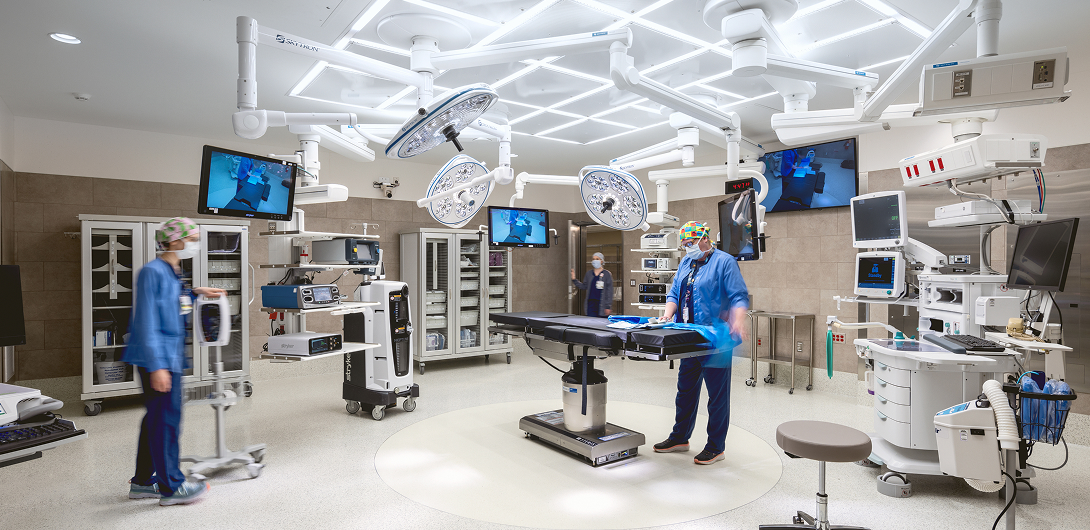
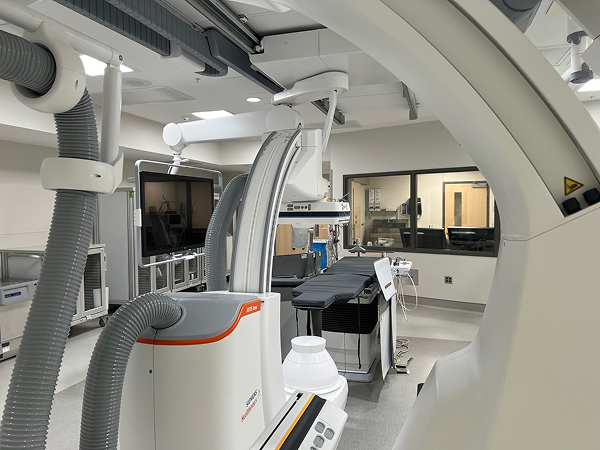
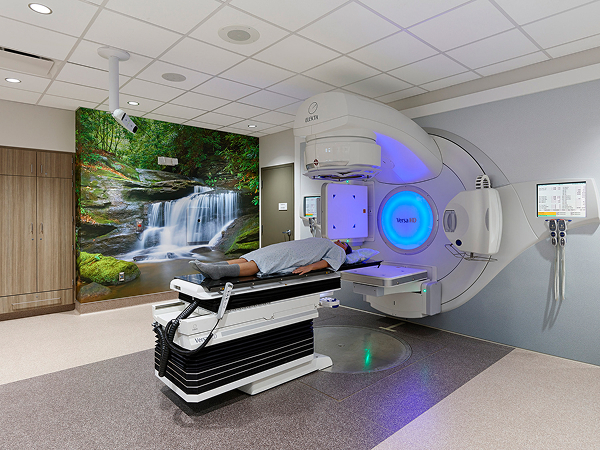
Healthcare construction also involves complex systems, including imaging suites, surgical spaces and advanced medical technologies. These systems require close coordination with engineers, vendors and clinical teams to ensure proper installation and performance.
At the same time, planners must design facilities with flexibility in mind. Healthcare needs continue to evolve, so spaces must support future adaptation and long-term resilience.
Why Mascaro for Healthcare Construction Projects
Mascaro brings the experience, discipline and coordination required for healthcare construction projects. We understand the responsibility of working in active care settings. We create spaces that support the people who depend on them every day.

Experience in active healthcare settings
We have completed complex projects in hospitals and clinical spaces where safety, access and continuity of care are essential. Our teams know how to phase work and maintain operations so they do not interrupt patient care.

Expertise in infection prevention and ICRA
We develop and implement infection control risk assessment protocols to reduce risk during construction. This protects patients, staff and clinical environments.

Collaboration with clinical stakeholders
We work closely with healthcare professionals, administrators, and end users to understand how spaces function. We also support clinical workflows.

Proven phasing and logistics strategies
Our teams develop detailed phasing plans and coordinate logistics so construction can proceed safely within active campuses, often without disrupting patient experience.

Focus on minimizing disruption
We plan work around clinical operations, control noise and vibration and maintain safe, accessible pathways throughout construction.

Advanced planning and preconstruction
Early involvement allows us to identify risk, refine phasing and align budgets. This creates a more predictable and efficient construction process.

Strength in MEP and systems coordination
Healthcare facilities depend on advanced systems. Our in-house MEP coordination ensures accurate installation, testing and long-term reliability.

Technology-enabled delivery
We use BIM, clash detection, and digital coordination to improve accuracy. This reduces rework and makes sure teams integrate systems before installation.
Related Projects

FAQs
Common infection-control measures include negative air containment, HEPA filtration, and dust barriers. They also include ICRA protocols and monitoring airflow and debris to protect patients and staff.
Healthcare construction requires close coordination with engineers, equipment vendors and clinical teams. Systems such as medical gas, imaging equipment and specialized HVAC must be installed and tested to meet strict performance standards.
We plan the work around clinical operations to reduce disruption. Teams focus on communication, noise and vibration control and maintaining safe pathways throughout construction.
Regular communication, planning meetings and clear scheduling help ensure alignment with clinical operations and support a smooth construction process.