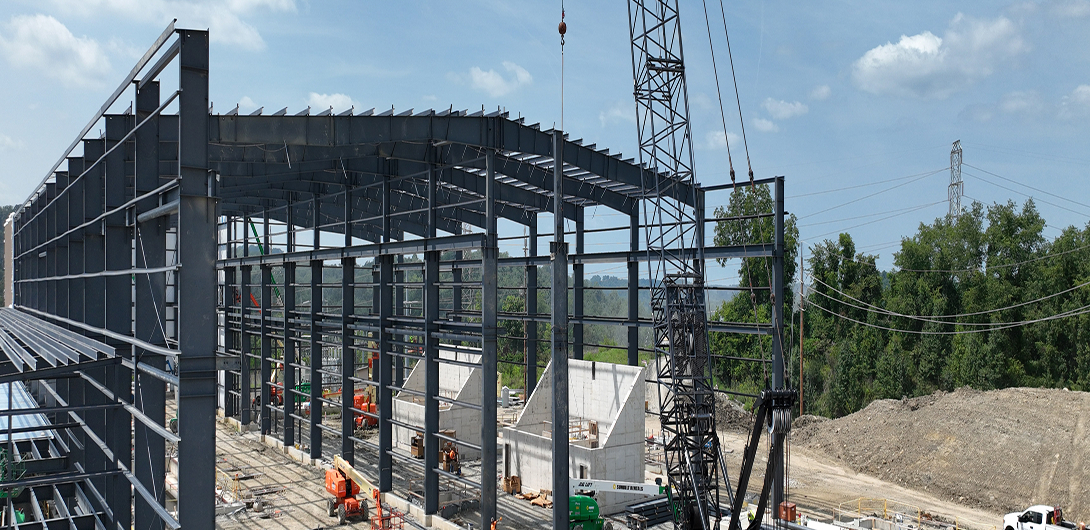
Steel and
Specialty Metals
Building the backbone of the metals industry
The steel and specialty metals industry is essential to every part of our economy. It produces the materials that shape buildings, bridges, transportation and energy systems, supported by highly specialized facilities and critical infrastructure.
Success in this market requires more than construction. It takes a working understanding of complex production and finishing environments. Whether constructing foundations for heavy equipment or erecting the structures that house process systems, every element must perform reliably under demanding conditions.
A Specialized Approach to Steel and Specialty Metals
Working in the steel industry requires a specialized approach due to the scale, complexity and performance demands of these environments. Facilities operate under extreme conditions, with heavy loads, vibration, high temperatures, molten metals, explosive gases and continuous operations.
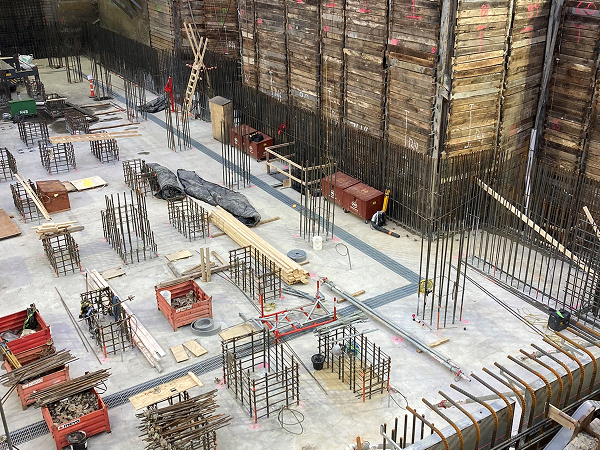
Concrete foundations must support massive equipment, absorb dynamic loads and maintain precise alignment critical to production. Structural steel systems and process equipment must be fabricated and installed with exacting precision to integrate with mechanical and process components.
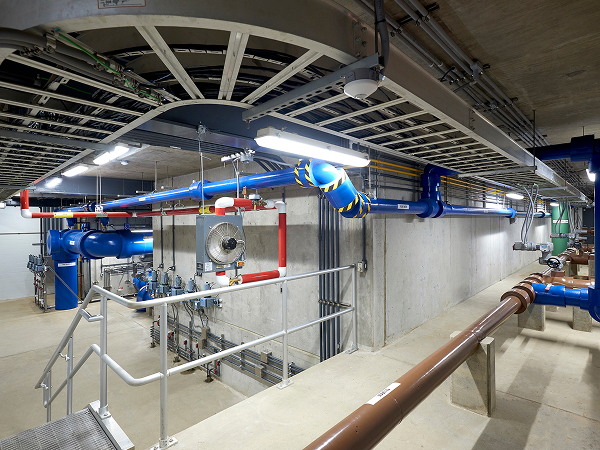
These projects also require coordination across multiple disciplines, including civil, structural, mechanical and electrical systems. This often takes place within active or highly regulated environments. Safety is critical, with work involving heavy materials, complex lifts and challenging site conditions.
Delivering successful outcomes depends on disciplined execution, technical expertise and a clear understanding of industrial construction. The goal is to ensure every foundation, structure and system performs reliably over time.
Why Mascaro for Steel and Specialty Metals
Mascaro brings the safety performance, quality standards and industrial experience needed to deliver projects in the steel and specialty metals industry. With strengths in excavation, deep and complex concrete foundations, structural steel erection and PEMB systems, we support both facility construction and ongoing operations.

Expertise in steel industry construction
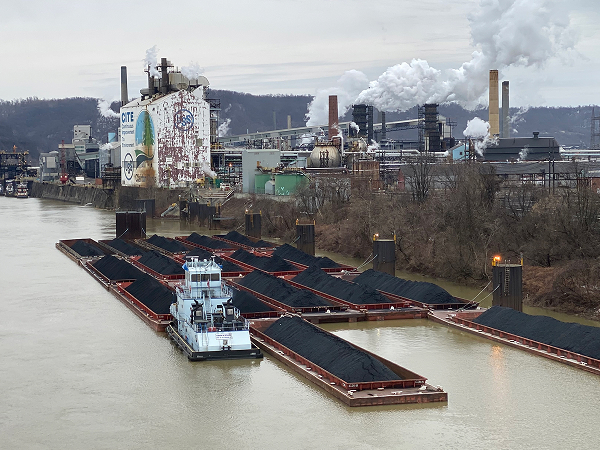
Mascaro understands the demands of steel mills and processing facilities through years of experience across our region.

Self-perform concrete capabilities for heavy industrial foundations
Mascaro builds the foundations that support steel production. These foundations deliver the strength, precision and durability required for heavy equipment and dynamic loads.

Structural steel experience from frameworks to complex systems
We deliver structural steel solutions that form the backbone of industrial facilities, with careful coordination across trades.

Proven delivery of PEMB systems
Our experience with pre-engineered metal buildings supports efficient, cost-effective solutions for industrial and operational spaces.

Strong project management and coordination
We integrate concrete, steel and building systems to maintain schedule and keep projects moving.

Quality aligned with industry standards
Our work reflects consistent standards for structural integrity, durability and long-term performance.
Safety built into every phase
Steel industry projects involve heavy materials, complex lifts and challenging conditions. Safety guides every step of our work.

Experience Working Within Active Industrial Facilities
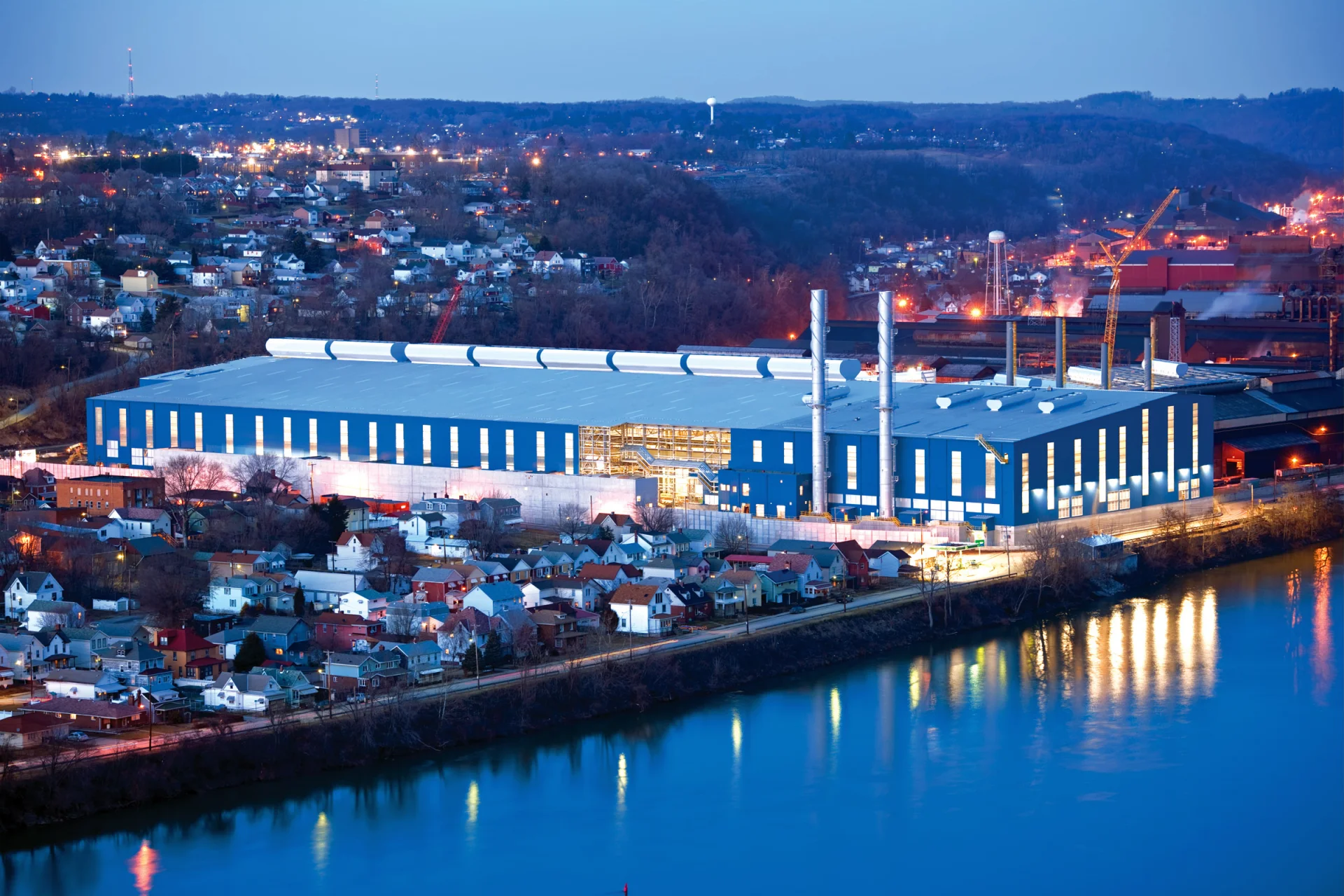
Steel mills and metals processing plants often operate around the clock, making construction activities especially challenging. Mascaro has extensive experience planning and executing work in active industrial environments, coordinating closely with facility operations to maintain production, minimize downtime, and complete projects safely and efficiently.
FAQs
The steel industry construction market includes steel mills, processing and fabrication facilities, maintenance buildings and operational support structures. These projects often involve heavy industrial concrete foundations, structural steel systems and pre-engineered metal buildings (PEMBs) that support production and operations.
Concrete foundations support heavy equipment and must withstand dynamic forces generated during steel production. They are engineered to maintain stability, absorb vibration and ensure proper alignment. Making precision and durability essential for long-term performance.
Structural steel forms the framework for buildings and supports equipment platforms, systems and operations within steel facilities. It must be fabricated and installed with high precision to ensure safety, structural integrity and compatibility with other systems.
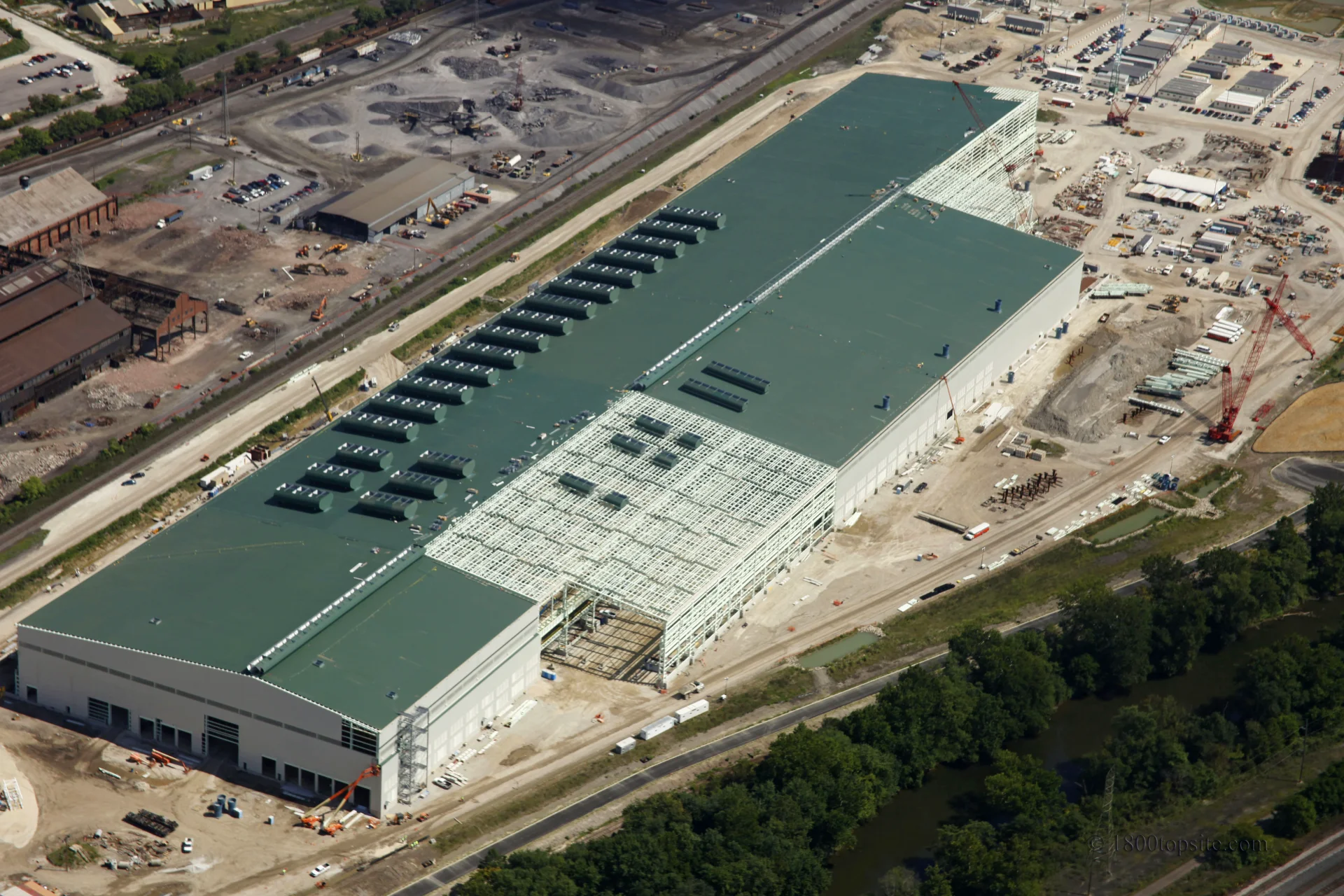
Pre-engineered metal buildings (PEMBs) are commonly used for industrial applications such as maintenance facilities, warehouses and operational support spaces. They offer speed of construction, cost efficiency and reliable performance in demanding environments.
Key challenges include coordinating multiple complex systems, managing heavy equipment installation, working within active or restricted industrial environments and meeting strict safety and quality standards. Projects often require detailed planning and precise execution to ensure all components integrate successfully.
Steel industry construction involves heavy materials, large equipment, elevated work and challenging conditions such as heat and confined spaces. Robust safety planning, training and procedures are essential to mitigate risks and protect workers.
Yes, many projects occur within active or partially operational facilities. This requires careful phasing, coordination with facility operations and strict adherence to safety protocols to minimize disruption while maintaining productivity.