Infrastructure and
Transportation
Building the systems that keep communities moving
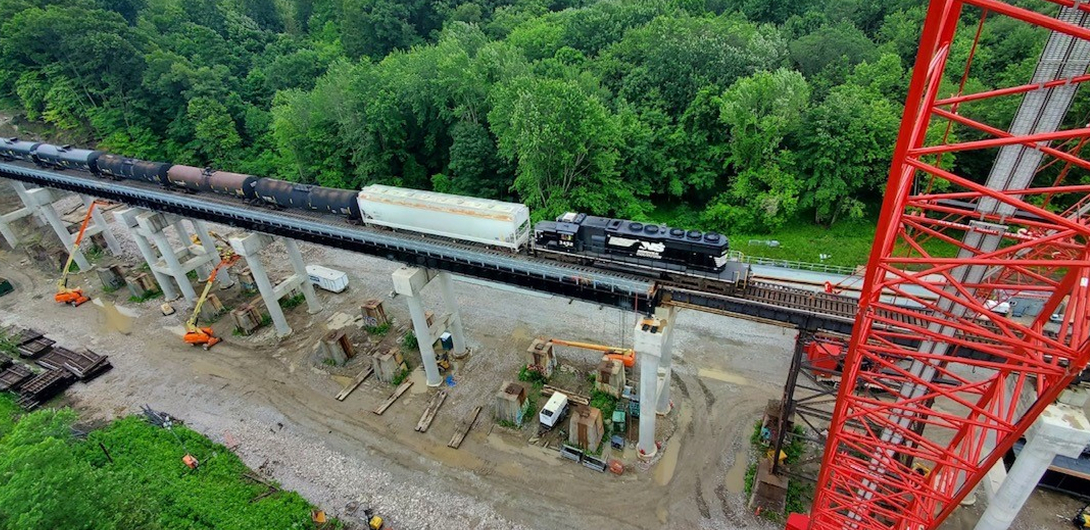
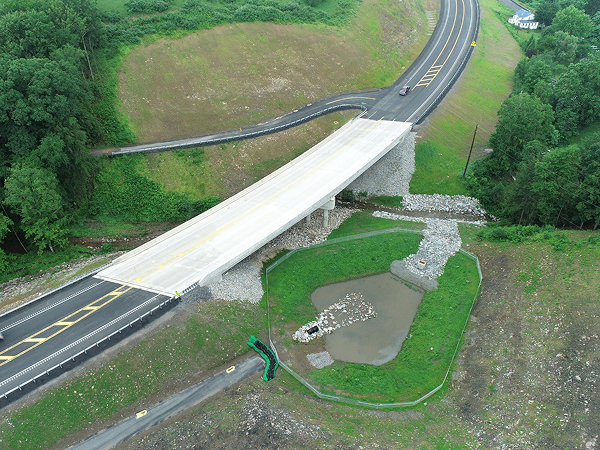
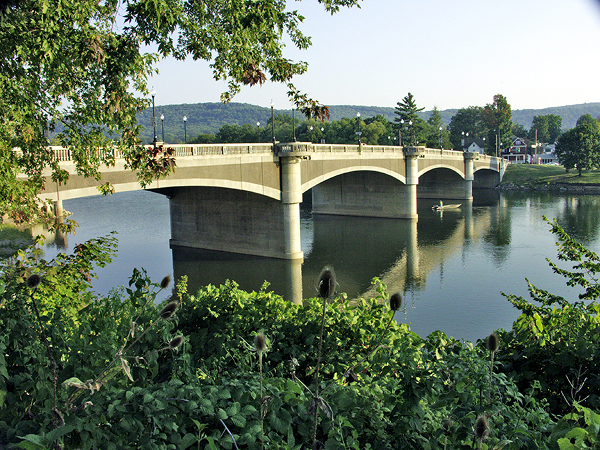
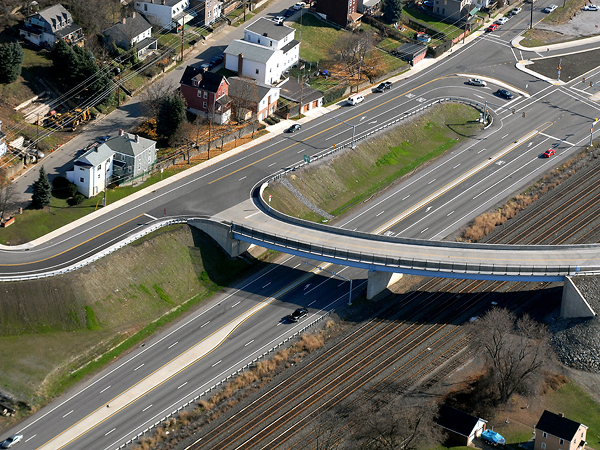
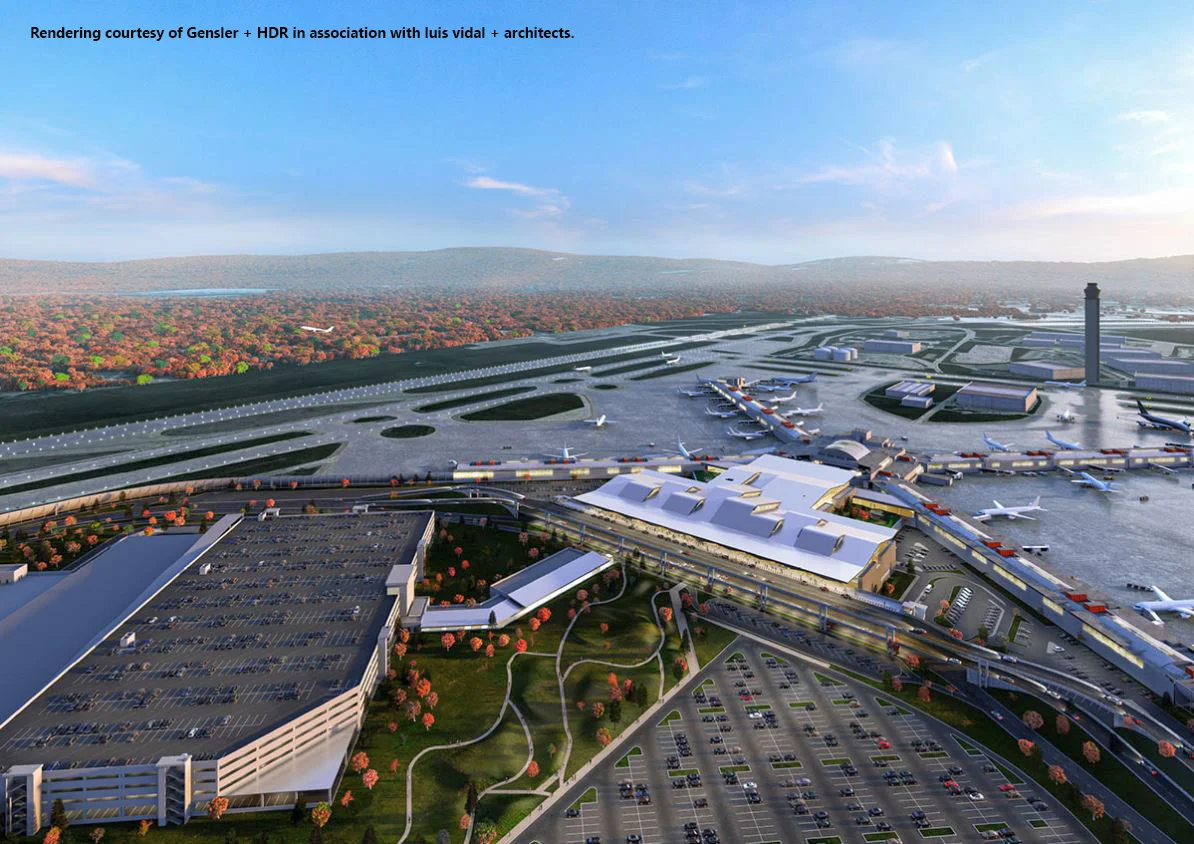
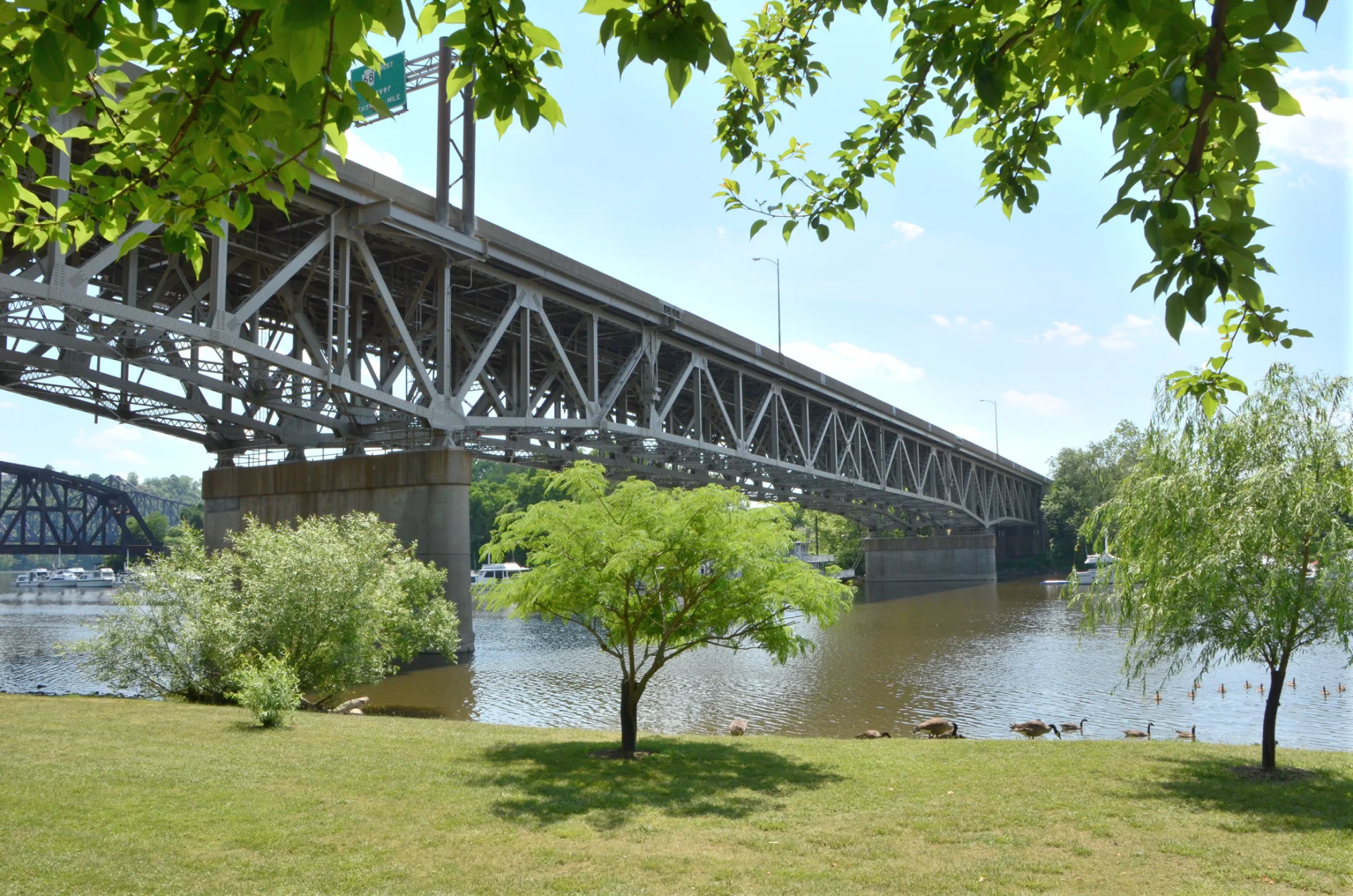
Infrastructure and transportation construction supports how people live, work and connect. These projects include roads, bridges, transit systems and essential utilities that communities rely on every day. It includes transportation networks, utilities, water and wastewater systems, bridges, roadways, and public works facilities.
From new construction to upgrades and repairs to aging systems, infrastructure construction requires careful planning, strong coordination and reliable execution. These projects often take place in active environments where safety, access and timing are critical. Infrastructure projects need a contractor who can handle technical challenges. They must with with stakeholders and deliver lasting results.
What Makes Infrastructure and Transportation Construction Unique
Infrastructure and transportation construction requires a specialized approach. These projects must balance technical requirements with real-world conditions, including traffic, public access and environmental constraints.
Work typically occurs in active corridors, near existing utilities or alongside ongoing operations. This requires detailed planning, phased construction and coordination with multiple stakeholders.
Transportation construction also involves heavy civil work, complex site conditions and strict design standards. At the same time, schedules are often fixed—especially for public projects—which leaves little room for delays.
Whether building new infrastructure or improving existing systems, the goal is the same. Deliver safe, durable solutions that perform over time.
Why Mascaro
Infrastructure construction demands a contractor who understands both technical execution and public impact. Mascaro brings the experience and discipline needed to deliver these complex, high-visibility projects.

Experience with complex, active environments
Mascaro has worked in settings where traffic, utilities and public access must remain in place. Our teams understand how to keep projects moving while minimizing disruption.

Coordination across multiple stakeholders
Transportation construction often involves municipalities, government agencies and utility providers. We coordinate closely with all parties to keep projects aligned.

Self-perform capabilities for critical work
Mascaro self-performs excavation, concrete and metals work—key components of transportation infrastructure construction. This gives us greater control over quality, safety and schedule.

Planning for safety and access
These projects require strong safety planning and careful site logistics. Our teams prioritize both public safety and worker protection.

Reliable delivery on public schedules
Infrastructure and transportation projects often follow fixed timelines. Our planning and communication help ensure work stays on track.

Solutions for Complex Site Challenges
Infrastructure projects rarely occur in ideal conditions. From constrained urban corridors and aging utilities to difficult geotechnical conditions and underground conflicts, Mascaro brings the field experience and problem-solving mindset needed to identify challenges early, develop practical solutions, and keep projects moving forward safely and efficiently.
FAQs
Infrastructure construction often involves active sites, public access and coordination with multiple stakeholders. These conditions require detailed planning and execution.
Transportation construction includes roads, bridges, transit systems and related infrastructure that support mobility and access.
Phased construction, traffic control and clear communication help minimize disruption and maintain access.
Teams work closely with public agencies, utility providers and project stakeholders to keep schedules and requirements aligned.
Self-performing key scopes improves control over quality, safety and schedule, especially on complex infrastructure projects.